
Is a home battery worth it in Belgium?
When a home battery pays off, when it does not, and how the capacity tariff and the end of the reversing meter changed the calculation.
By DELEX installation team1 min read
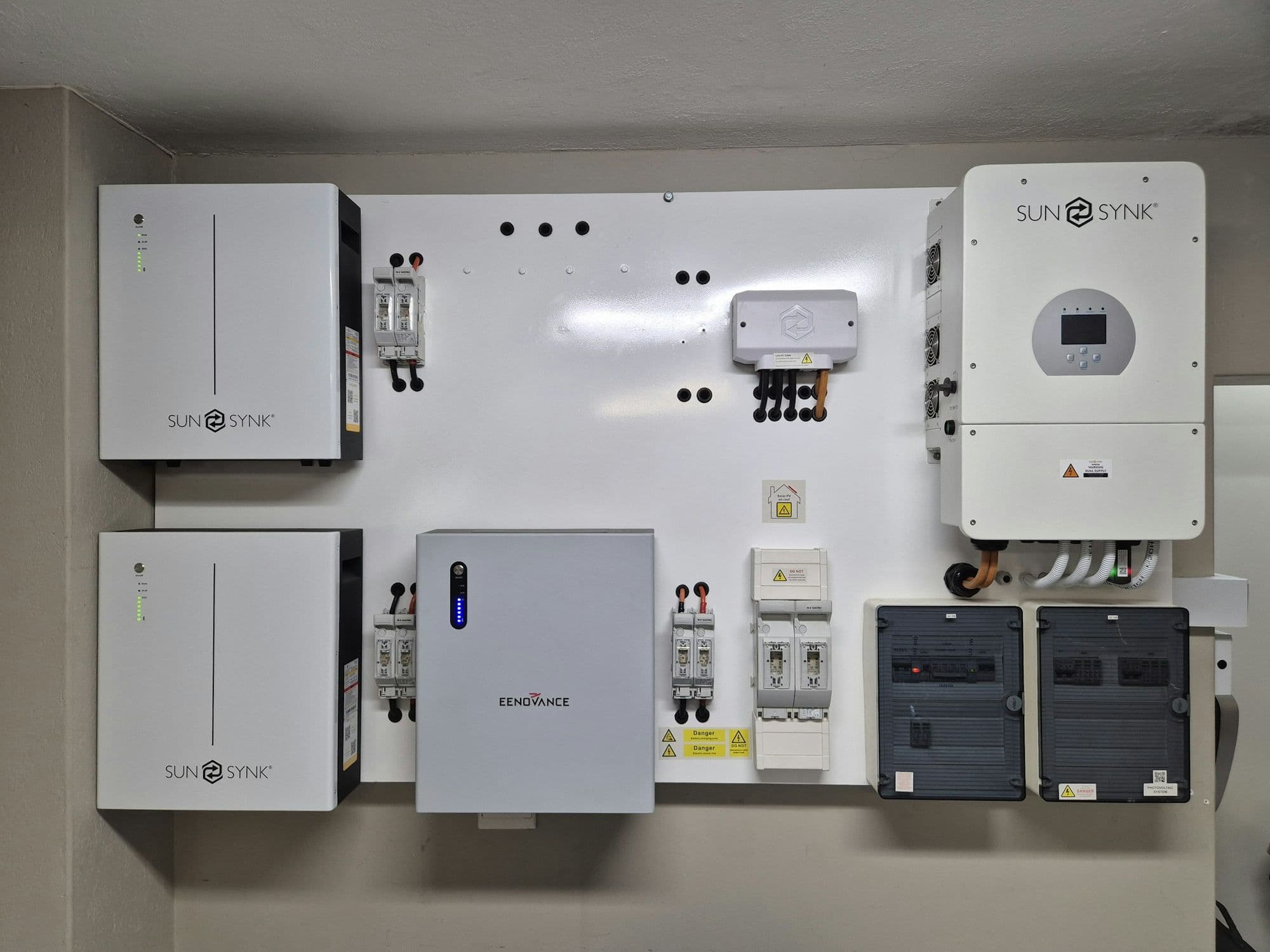
We install batteries — and we regularly advise customers not to buy one yet. Here is how we decide.
Why batteries became interesting
For years, the reversing meter made the grid a free battery. That is over for new installations. Energy you inject now earns far less than the energy you buy, so storing your own surplus for the evening is worth more than ever.
In Flanders, the capacity tariff adds a second reason: part of your grid fees depends on your highest monthly peak. A battery controlled by a smart meter can shave those peaks — when the oven, the heat pump and the car all run at once.
When it pays off
A battery is usually a good idea when:
- you inject a large share of your solar production today (often 50% or more);
- most of your consumption happens in the evening and at night;
- you have high peaks (heat pump, EV charging, induction cooking).
When it does not (yet)
- Your solar installation is small compared to your consumption — there is little surplus to store.
- You are home during the day and already use most of your production.
- Your inverter is not battery-ready and would need to be replaced.
How we size it
We look at your real consumption data where possible (digital meter data helps a lot), simulate a year of charging and discharging, and pick the smallest capacity that captures most of the benefit. Modular batteries mean you can always add a module later.
Bottom line
A battery is not automatically profitable, but in many Belgian homes with solar panels it now is. Ask us for an honest calculation — including the scenario where you do nothing.