
Choosing an EV charger for your home
1-phase or 3-phase, 7.4 or 11 kW, smart charging and solar surplus: what really matters when you install an EV charger at home in Belgium.
By DELEX installation team1 min read
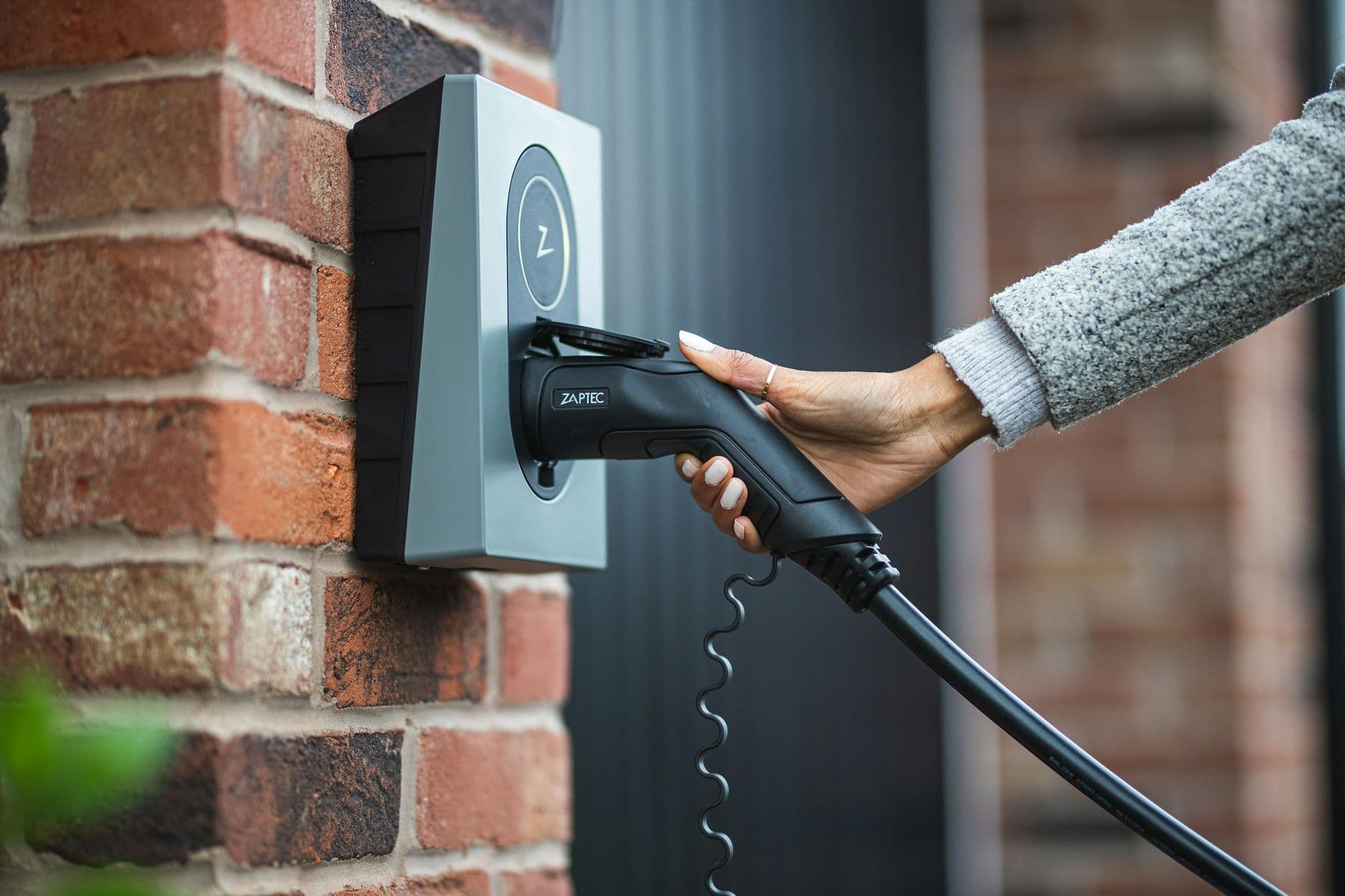
Charging at home is the most comfortable and cheapest way to drive electric. But the right charger depends on your home more than on your car.
Check your grid connection first
Many Belgian homes have a 3×230 V connection without neutral, others a 3×400 V + N connection, and some are single-phase. This determines what power you can realistically use:
- 7.4 kW (single-phase, 32 A) — enough for most daily driving; a full night adds 300+ km.
- 11 kW (three-phase, 16 A) — faster, if your connection and car support it.
- 22 kW — rarely useful at home; few cars charge that fast on AC.
Smart charging matters more than power
A smart charger can:
- follow your solar surplus, so you drive on your own sunshine;
- balance the load with the rest of the house, so the main fuse never trips;
- limit peaks, which matters with the capacity tariff in Flanders;
- schedule charging for when electricity is cheapest if you have a dynamic tariff.
Company car?
Many chargers can log sessions per charging card and produce reports, so your employer can reimburse home charging accurately.
Installation and inspection
Every charger needs a dedicated circuit with the right protection and must be inspected according to the AREI/RGIE. We include that inspection in our price.
Our advice
Choose a reliable, smart charger that can talk to your inverter and meter — even if you do not have solar panels yet. Ask us to check your connection; it is a five-minute job during a site visit.